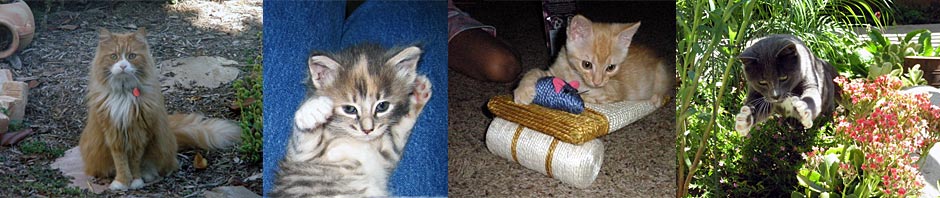
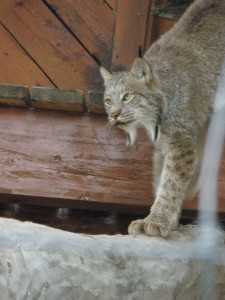
 It happens. People collect one or more exotic cats—tigers, leopards, and others—the cat gets out and bad things can happen—usually to the innocent cat.
A fifty-pound caracal escaped from a garage in the Detroit suburbs last week. In fact two of the four this family kept in cages that open up into their garage escaped. They lured one back with raw meat. The other one went on an unauthorized jaunt through city streets and even sauntered past an elementary school. As I understand it they caught up with the cat and returned him to his home. However,
 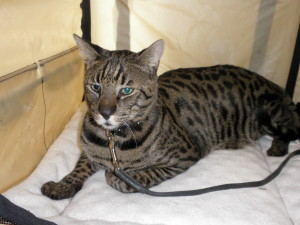 the woman who was harboring these cats received five citations and has been ordered to find the big cats a new home where they can be kept legally and safely. She had five days to comply.
There was a bizarre case of tigers on the loose here in our county in 2005. The owner  who was harboring the tigers evidently released them and didn’t tell anyone. People caught sight of the big cats and reported this, however authorities were stymied because there had been no reports of anyone losing any tigers.
How many people actually keep exotic big cats on their property in the United States? It surprised me to learn the number is in the thousands. There are estimated to be between ten and twenty thousand big cats being held captive in this country. Are there laws and regulations when it comes to harboring exotic cats? This issue varies throughout the US. While some states outlaw this practice altogether, others have anywhere from no laws regarding big cats to some regulations.
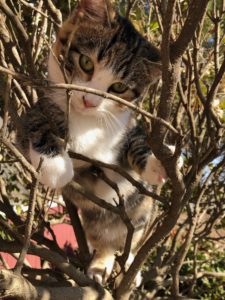 Saturday, October 16, was Global Cat Day and National Feral Cat Day. Another day designed to acknowledge our feral cat population. It is recommended and urged that we all become advocates for cats and that we do what we can to educate others. Many free-roaming, homeless cats are just a little bit of love and kindness and patience away from becoming wonderful and gentle pets—kittens in particular.
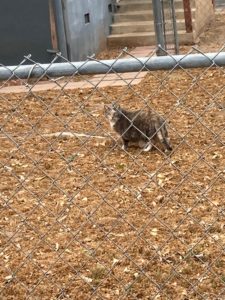 neighborhood, losing weight, doesn’t seem to be able to fend for itself, by all means trap the cat and take it to a shelter for care. Or contact a local TNR or TNVR (trap, neuter, vaccinate, and release) group. If you’re able to rescue
 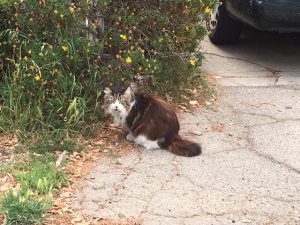 the cat and take her to a shelter, be mindful of the shelter’s policies.
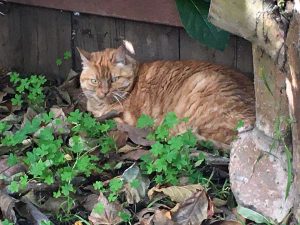 directors and volunteers will do everything they can to treat the cat and maybe even socialize her. Of course, if the cat is ill beyond help or is a danger to the public, they’ll do the humane thing in that case, as
 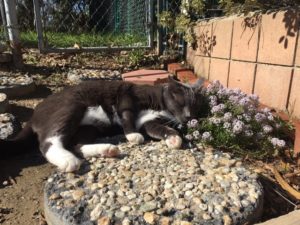 well.
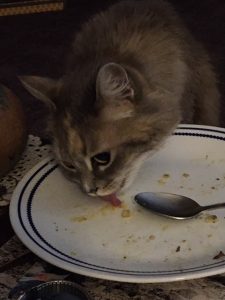
well.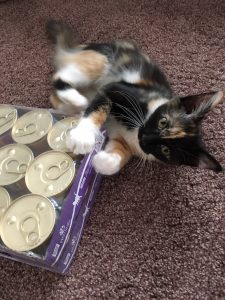 Feeding Olivia is often a challenge. We’ve learned that no matter how cunning and clever we try to be, she is more cunning and clever. In fact, nearly everything related to Olivia is on her terms. You may recall that I’d stopped offering Olivia canned food. She just won’t eat it. She will sniff the plate, then tear off down the hall like it bit her or something. Sometimes she’ll circle back around when she thinks we’re not looking and she
 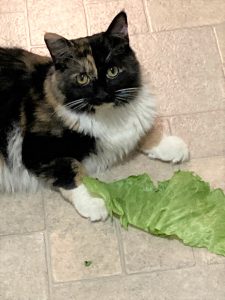 eats it, but mostly not.
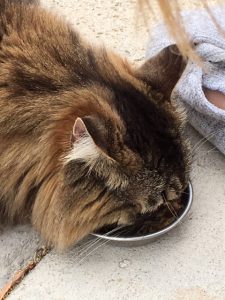 consider the more nutritious food. It had become so stressful for me and wasteful to even try to feed Olivia canned food, that I stopped offering it to her altogether. Occasionally, I think she finishes what Sophie leaves, but it’s all done rather clandestinely.
 again.
 does she do?
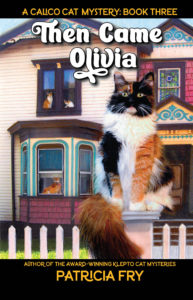 You can order the latest Calico Cat Mystery in both Kindle and print. I’d order the print version just for the cover. Isn’t it stunning? Here’s the description in case you missed it:
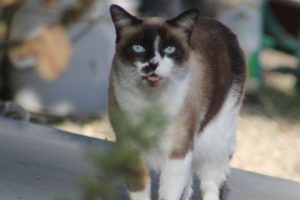 Have you ever looked into the face of a Siamese cat and wonder how she can see through those beautiful, but quirky crossed eyes? No worries, the experts say. The Siamese actually must cross her eyes in order to see properly. Who knew?
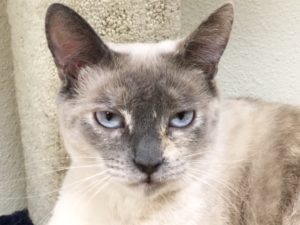 to the cat—she does have trouble seeing clearly.
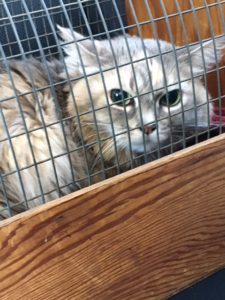 issue and, from what I read, often the cat will return to normal after a period of four to six weeks.
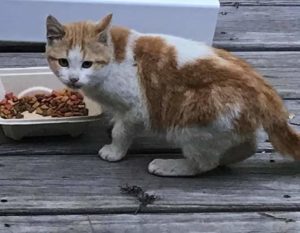 Many cities and rural areas have similar problems and community leaders find a variety of ways to handle them. Cats become homeless. They band together where they find opportunities for food and water and shelter. When no one pays any attention they begin to multiply. Soon, as happened in Delray Beach, Florida, there are over 10,000 cats and kittens trying to survive—sadly,
  many of them failing. But they keep doing the natural thing and breeding and adding to the numbers until someone somewhere comes up with a solution.
 According to statistics, yes. This program is being implemented by hundreds of organizations and individuals nationwide and reports indicate that in areas where there is an active TNVR program there are impressive decreases
 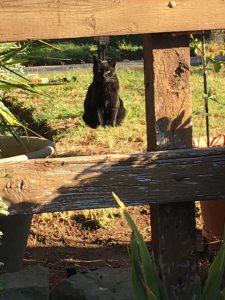 in the feral cat population in shelters and the euthanasia of healthy cats. Here’s more information on the TNVR programs.
 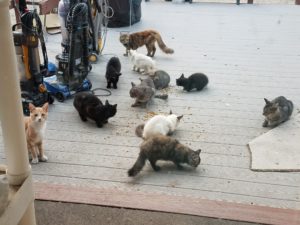 Now if we could only successfully educate the public and help them to care enough to care for the cats they adopt. Too many still abandon their cats when they move, cart home cats to use as barn cats and allow them to continue breeding, give away resulting kittens to individuals who don’t believe in spaying/neutering cats—some wanting to have the kitten experience with the cat—tire of the cat and stop caring for her. There are a lot of such stories out there. Thankfully, there are also a lot of us who rescue and properly care for one or more otherwise homeless cats.
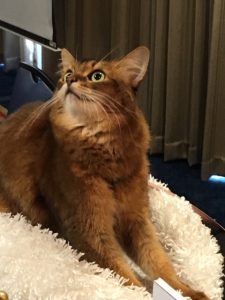 Have you ever wondered how many cat breeds there are that began as shorthair breeds and were developed into longhair varieties? We’re all familiar with the Siamese and her long-furred counterpart the Himalayan. But did you know that the beautiful copper-colored Somali is the longhair version of the Abyssinian?
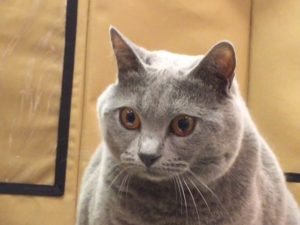 longhair, the domestic long- and shorthairs and the American bobtail comes in a shorthair and a longhair version. And some cats even come with wirehair, curly hair and no hair.
 Have you ever wondered how many breeds include cats with red (or orange) fur? I was surprised to learn it’s quite a number. I found 26 of them including the Persian, Maine coon, American shorthair/longhair, British shorthair/longhair…
 We published a book this week. Book 99. Wow!!! But am I resting on my laurels? And deprive myself of all the joy I get from frolicking among the pages of the next fun story? I don’t think so. Yup, Book 100 is in the works—Book 54 of the Klepto Cat Mystery series.
 freelance writer/author, visit my websites:
  counting my millions of published words during my forty-plus years of article-writing.
 We used to have horses and I learned early on the value of grooming them frequently. Not only is it good for their coat, you want to clean particles of dirt and other matter from a horse’s hair before saddling them to avoid rubbing sores on their back.
 including cats.
 Regular combing/brushing can also keep your cat from shedding all over your clothes and furniture. That’s a plus.
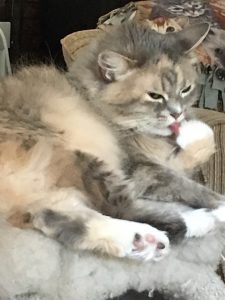 procedures during those times when she is most relaxed. I can generally trim the claws on one of Olivia’s paws during a lap session before she starts resisting. I do another paw the next time we cuddle.