 Even the most predictable cats might change in subtle or noticeable ways as they age, but do cats get dementia? According to the experts, some do. I’ve provided a link to a good article on the topic. Meanwhile, let’s discuss cat dementia.
I’m pretty sure that my Himalayan, Katy, had some level of dementia. I began to notice changes in her when she was fifteen or sixteen years old. The key clue  was that she stopped fearing strangers. She was always a hidey cat—she hid when the doorbell rang, until she became elderly, then she became friendly to everyone. It’s like she had forgotten her fear of strangers, and that was a good thing.
What is dementia? According to experts, it’s a cognitive dysfunction illness and it can affect any senior cat. It’s an age-related illness just like kidney disease is for some cats. It usually comes on slowly. Between age ten to fifteen or so, you might notice changes in  memory and behavior that may worsen over time.
The cat may be disoriented and you’ll notice changes in their every day habits like sleep, appetite, exercise, and even litter box behavior. 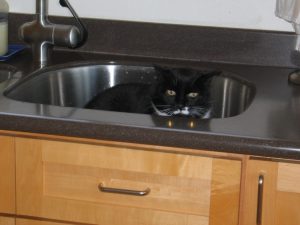 The cat might become less playful and some will meow a lot, as if confused or lost.
What do you need as a cat owner of a cat with dementia? Patience. Provide enrichment activities—toys, for example, but don’t make too many changes that will confuse the cat. Provide ramps or stairs where appropriate—for a cat that likes to sleep on your bed, but has developed problems climbing or jumping up there. You may need to provide a 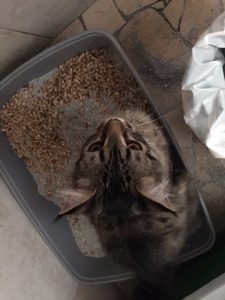 different kind of litter box. A younger cat likes to play in the litter—kicking it all over the place, so we use higher sided litter boxes. As a cat ages, however, and arthritis sets in, I like to switch to a low-sided litter box for their ease in entering and exiting. Pee pads might be in order for some elderly cats.
Generally you will change the cat’s diet as she ages. Dietary supplements might also help her maintain her physical and mental health.
Here’s a good article on dementia in cats. If your older cat is demonstrating changes in her behavior, you might want to prepare yourself for what’s ahead. With help and understanding, it can be a beautiful journey for you both.
https://www.discovermagazine.com/planet-earth/can-cats-get-dementia
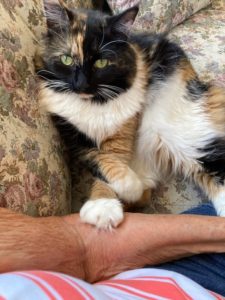 I’d known enough cats in my life to realize a cat-is-not-a-cat, is-not-a-cat. They come in different sizes, colors, styles and purr-sonalities. This is true in the way the cat interacts with you, plays, eats, sleeps, and even snuggles. Some cats won’t snuggle at all, but they will sit close. What is close? While one cat might need to
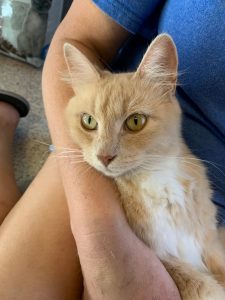 push up against you as you sit on the sofa, another might be happy as a lark simply sitting or lying at your feet.
 my pillow at night or sit next to me with one paw on my leg.
 wasn’t room—I had a book or a tablet in my hands, then she would sit or lay at my feet—always close. And she always slept up against me at night.
 Yes, it’s true, a cat has been in space and back. Evidently in the 1960s, the French decided to try launching a cat into space. They chose a pert black and white street cat for this experiment and actually brought her back alive. Here’s that story. By the way, not only was this little cat the first in space, she’s the only cat to make this sort of trip.
 Today is Global Cat Day—a day, according to the organizers of this observance, for all of us to become cat advocates—to be the voice cats cannot be for themselves, and defend cats as we would any member of our community.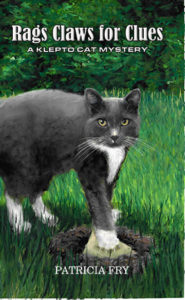
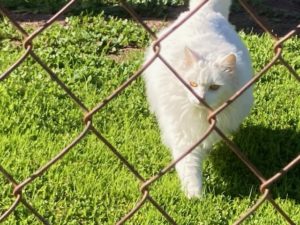 It’s not easy, is it, to go off on vacation, an overnight business or pleasure trip, or even for a day outing and leave your cat with those wide-eyes and questioning look behind. Of course she has everything she needs for the hours you’ll be gone and you arrange for human company for those times
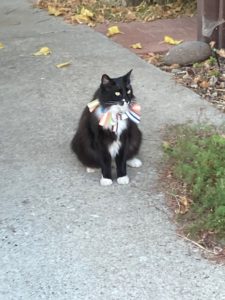 when the hours turn into days. She’s fine—but you’re not. And when you arrive home, expecting a warm, furry-face reunion with your sweet kitty, you feel even worse. Either she’s all over you begging for attention like she’s been abandoned and forgotten or she gives you the cold shoulder for a few hours.
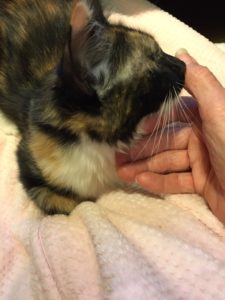 This is not something you consider when you commit to a cat. Cats are adaptable, they say. They can stay happily by themselves for a few hours—even overnight if they have someone checking on them. Heck, some cats hide and sleep most of the day, anyway. So why do they get their nose so out of shape
 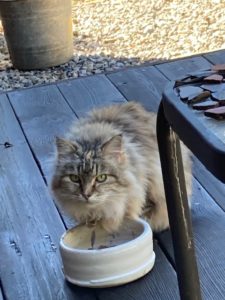 when you slip out for a day or weekend trip?
 to give her what she wants when she wants it.
 Ever wonder what a meme is and where the term came from? Technically, it’s purported to be “a unit of cultural information spread by imitation.” And while we may think so, because the term is so widespread over the internet, it’s nothing new. It’s not, like,
  ancient, either.
 the internet—have certainly made the term famous.
 us that’s cat memes in particular. In case you want a chuckle or you have nothing better to do, here are a couple of sites featuring some hilarious and fun cat memes. Have fun.
 I went to a large nursery once in search of plants that are not toxic to cats. The nurseryman did some research and found a very long list of plants that are varying degrees of toxic to cats. The list of toxic plants was pages longer than the list of safe plants. So how do our outdoor cats survive? Well, they don’t typically eat
 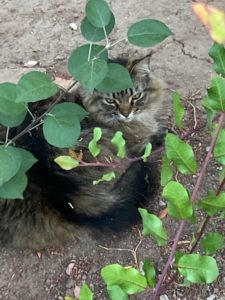 plants. It’s the indoor cats that are at the greatest risk. You bring in a lovely prayer plant, amaryllis , spider plant, or philodendron and your house cat will be intrigued. She may dig in the dirt, bat at the leaves, and possibly even chew on them. Cats do love eating a little green from time to time.
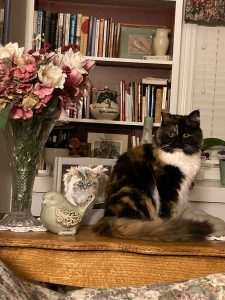 A bouquet of lilies, daffodils, or chrysanthemums with interesting leaves and a pretty bow around the vase will intrigue most housecats—the scent, the way the leaves bounce and sway and feel to the paws and the nose. Something like this will certainly get a cat’s attention and get him into terrible trouble if he tries to become too familiar with the bouquet.
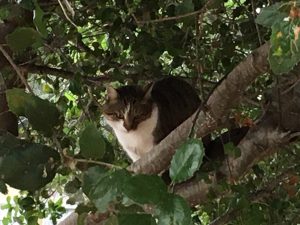 I like flowers, so I use fake ones in my arrangements inside the house.
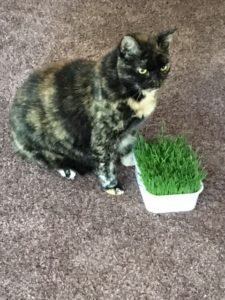 There are also many common foods we enjoy, but that are toxic to cats (and other animals). To mention a few, chocolate, coffee, grapes, raisins, dairy, onions, garlic, raw potatoes and tomatoes, bread, citrus.
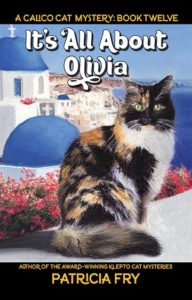 I was touched by this story on many levels and I think you will be, too. It’s the story of a little girl who had many friends—almost all of them with fur. She spent her childhood loving and caring for the stray cats of her homeland—Greece. Her dream was to be a doctor—a doctor of animals. She came to the states and graduated from veterinary school, keeping her promise to continue helping some of the over three million stray cats and dogs in her home country. Here’s her beautiful story.