 I read a report recently stating that 30 to 37 percent of all households in the US have cats. Truly, I thought the percentage was higher. It certainly is in my circle of friends and family. In fact about 87 percent of people I associate with either have cats or have cared for one or more beloved cats in the past and probably will again.
While most of us take in a pet or two, some cat people take it upon themselves to care for many cats at a time. The typical cat person knows her limitations—taking on only as many cats as they can properly care for. Sure, many of these dear souls stretch their resources on many occasions to accommodate one or two more needy felines. But what about cat hoarders—those who open their hearts so much they find themselves unable to care for all of the cats they’ve accumulated? Even these people, for the most part, start out with pure and good intentions for the cats they are feeding. If there are a lot of strays in the neighborhood and if they continually “rescue” litters of backyard kittens, they can sometimes get carried away with the need and lose touch with the reality of the situation. They keep taking in cats without any plan for placing them, for example, and putting off spaying and neutering and their responsibility grows to unreasonable proportions. In the meantime, many of these people run low on funds and energy and soon hygiene and health become issues in the home. These are the hoarders you see on your newsfeed, on TV news stations, etc. The ASPCA reports that there are 900 to 2,000 cases of animal hoarding reported every year. And there’s something you can do about it.
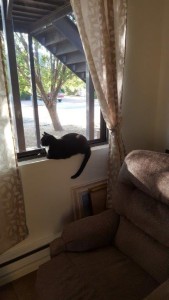
You know when someone in your neighborhood has an excess of cats running all over their property or peering out through the windows of the home. You may see a bedraggled man or woman coming and going, usually returning home with truckloads of litter and kibbles. Is this an in-control cat person who may go a little overboard collecting cats and who takes excellent care of them—do the cats you see around look healthy and bright-eyed? Or are many of the cats ailing. Do you smell a stench coming from inside the home? Visit the home. You like cats—ask if you can see them. Do an evaluation. Is the place clean and orderly and the cats energetic? Or is it chaotic, filthy, unfit for a cat to live in? Are the cats lethargic, do they seem to be ailing?
If an offer of help to create some order in the house, to find safe places for the cats, and to get veterinary help for the cats who need it isn’t welcomed, it is time to report this hoarder to your local animal control or humane group. But, according to experts, even if the animals are taken away, this person may just bring in more pets. So it is recommended that a local health and human services agency also be notified, along with friends and family of the individual for support.
Do you know a cat hoarder who’s out of control? Have you ever found yourself heading in that direction—bringing home an array of animals, for example, and eventually realizing you’d taken on more than you could handle?
 It’s widely known that pet cats are living longer—especially those who get regular veterinary care and are protected from elements and dangers outside the home. Sure, even a pampered cat can get sick. An indoor cat can meet with an accident or ingest something hazardous. I had a Persian swallow a needle once. Sophie ate metallic Christmas wrap bows and vomited vast amounts of blood one holiday season. When Lily was a mere kitten, Sophie knocked the cat tree over on top of her and she had a serious head injury. All of these things happened to extremely coddled totally inside kitties. And believe me, their accidents sure changed our ways. To this day, the 3-foot cat tree still lays on its side where the cats can play, but they can’t knock it over and hurt each other. We no longer use any ribbon or bows of any kind on gifts around here. And when I sew, I make sure no cats sit close to the pin cushion.
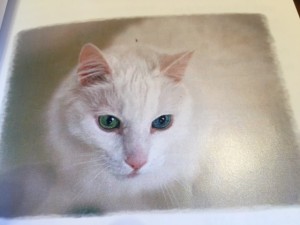 and shiny, are her eyes bright, does she have a lot of energy? Or is he slowing down, looking tired, showing signs of stress? As cats age, things can change. The tired look, scraggly fur, dull eyes, might not be a natural sign of aging. It could be that your cat has developed a medical problem that needs attention. It’s common for older cats to experience kidney disease, for example. Adequate treatment can prolong, not only her life, but her quality of life.
 According to CATalyst Council, September is Happy Cat Month because a happy cat is a healthier cat.
 Donna Lee Anderson writes a column called BookEnds for the Kitsap Weekly and in the August 19th issue, she featured the Klepto Cat Mysteries.
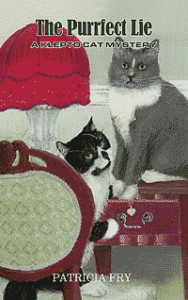 approach to her stories, and on her audience. She has the opportunity to review her reasons for spending all of those hours, days, and weeks writing and to determine whether or not she is still going in a reasonable direction. It helps her to examine her motivations for doing what she does and to learn whether they are still valid.
 I hope I’ve been missed. Did you notice there were no posts for Tuesday or Wednesday? Normally, when I know I’ll be away, I write blog posts ahead of time and schedule them to post on certain dates. That’s what I did throughout the end of June, first of July while traveling. Works slick. But when you get side-lined by a sudden, unexpected illness, and you’re too sick to stagger to the computer, let alone to think and to compose…well, that’s what happened this week. I hope I can make it up to you in the next few days.

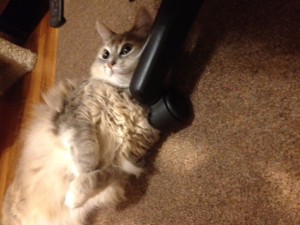 Cat Mysteries) or even my own cats, Lily and Sophie, would handle the jury selection and serving process. (I’m a writer—of course I’m going to create a story out of the experience.)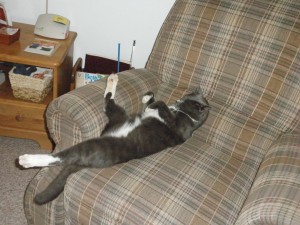
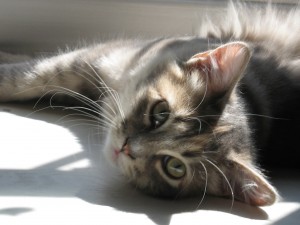
 These news items are old, but sweet. Yesterday we talked about taking your cat to the vet—preserving her health so she’ll have longevity. I want you to read some of these touching stories. They remind us why we love cats and honor them.